Finding the Best Journals for Writing: A Practical Guide Based on Real Use
I have been writing long enough to remember when choosing a journal meant grabbing whatever spiral notebook was on sale at the drugstore. Back then, I did not think about paper weight, ruling, or how the binding held up over a year of daily use. I just wrote. But after decades of filling notebooks, traveling with them, and sometimes losing pages to wear, I started paying closer attention. The search for the best journals for writing is not about perfection. It is about finding a tool that gets out of your way and lets the words flow.
Over the years I have tested dozens of brands. Some became staples. Others I abandoned after a few pages. What I learned is that the right journal depends on your writing habits, your environment, and your tolerance for certain trade-offs. There is no single winner. But there are clear contenders that keep rising to the top.
Paper Quality Is the First Filter
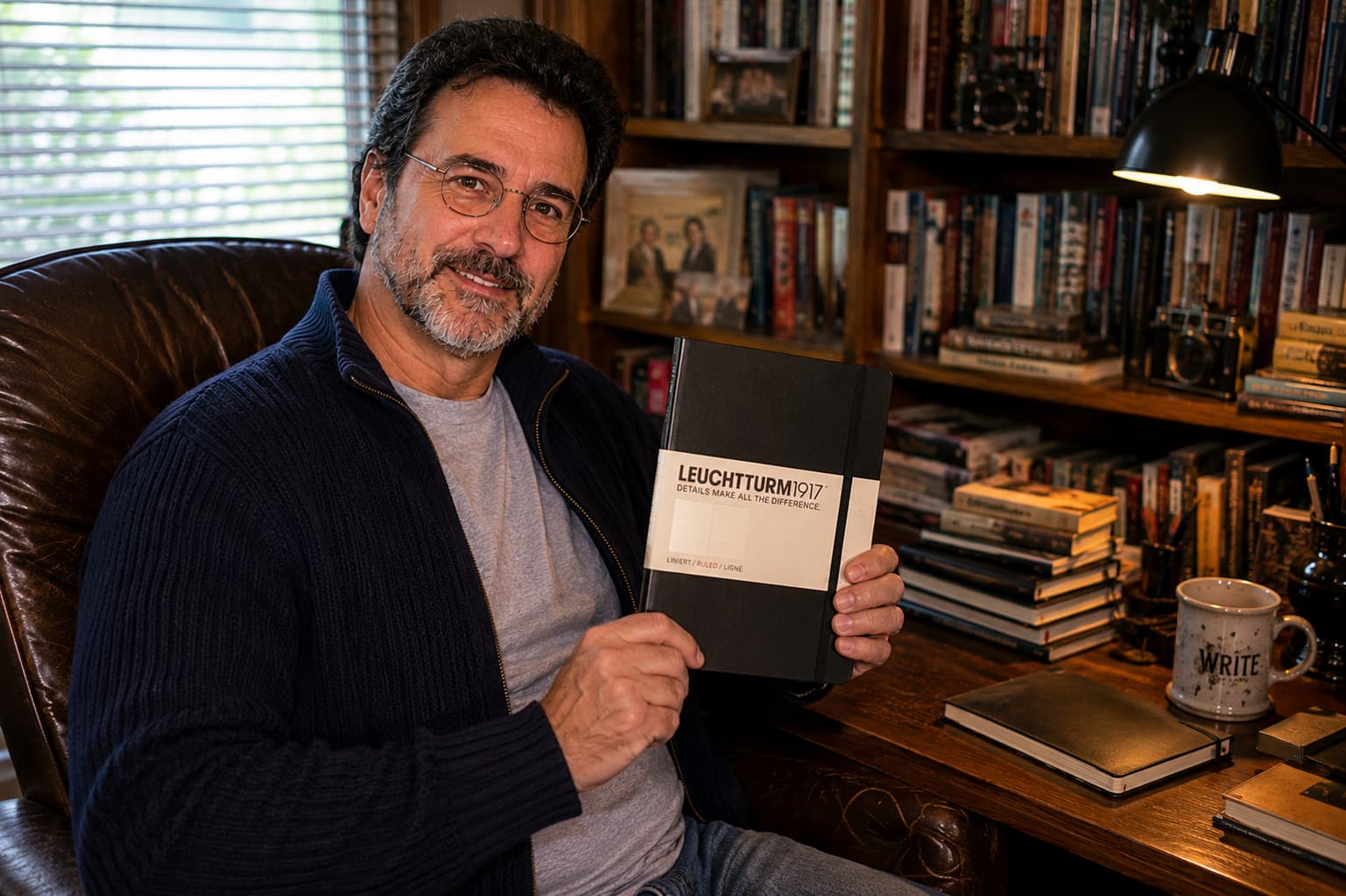
If you write with fountain pens, the paper matters more than anything else. I started with a Moleskine years ago, drawn to its classic look and pocket-friendly size. The paper is fine for ballpoint or pencil, but fountain pen ink feathers and bleeds through. That is a dealbreaker for many writers. Leuchtturm1917 notebooks use thicker paper that handles ink much better. The pages are slightly off-white, which feels soft on the eyes. I have finished several Leuchtturm1917 notebooks and never had bleed-through issues, even with wet nibs.
Rhodia and Clairefontaine use the same smooth, coated paper that makes fountain pen writing glide. I keep a Rhodia No. 16 on my desk for quick notes. The paper is bright white, the grid is faint, and the binding lies flat. If you value a crisp writing surface, these two are hard to beat. Clairefontaine is slightly less common in the US but worth ordering online.
Midori MD Notebook is another favorite among writers who like a more tactile experience. The paper has a soft, uncoated feel that absorbs ink well without bleeding. The covers are minimalist - just cardstock with a simple label. I have carried a Midori MD as a daily journal for months and enjoyed how the pages develop a patina over time.
Portability and Durability
Not all writing happens at a desk. Sometimes you need a notebook that fits in a back pocket or a small bag. Field Notes are the most famous pocket-size option. They are affordable, come in many covers, and use a thin, 50-page staple-bound format. The paper is adequate for pencil or ballpoint, but I would not use a fountain pen. I keep Field Notes for quick lists and sketches when I am out.
Baron Fig offers a similar size but with a sewn binding and thicker paper. Their dot grid is subtle and pleasant. I have used a Baron Fig pocket notebook for daily notes during trips, and it held up well in rain and rough handling. The cover is soft and flexible, which makes it easy to slide into a jacket.
Traveler's Notebook is a different approach. It uses a leather cover that holds multiple thin inserts. You can carry several notebooks in one cover, each for a different purpose. I have a standard-size Traveler's Notebook with inserts for daily journaling, a calendar, and a sketchbook. The system is modular, so you can swap inserts as needed. The paper quality varies by insert, but the official refills are good for most pens.
Planners and Structured Journals
Some writers need a journal that also organizes time. Hobonichi Techo is the gold standard for this. It uses Tomoe River paper, which is incredibly thin yet resists bleeding. The paper is so light that a full year of daily pages fits into a small book. I have used a Hobonichi Techo as a combined planner and journal for two years. The layout is simple - each day gets a page, and there is room for notes and appointments. The paper is a joy to write on, though it is delicate. You have to be careful with erasers.
Stalogy makes a minimalist planner with thin, cream paper that works well with fountain pens. Their 365 notebook has a dated layout if you choose the planner version, or undated if you prefer flexibility. I like Stalogy for its no-fuss design. The covers are plain black or white, and the paper is smooth without being slippery.
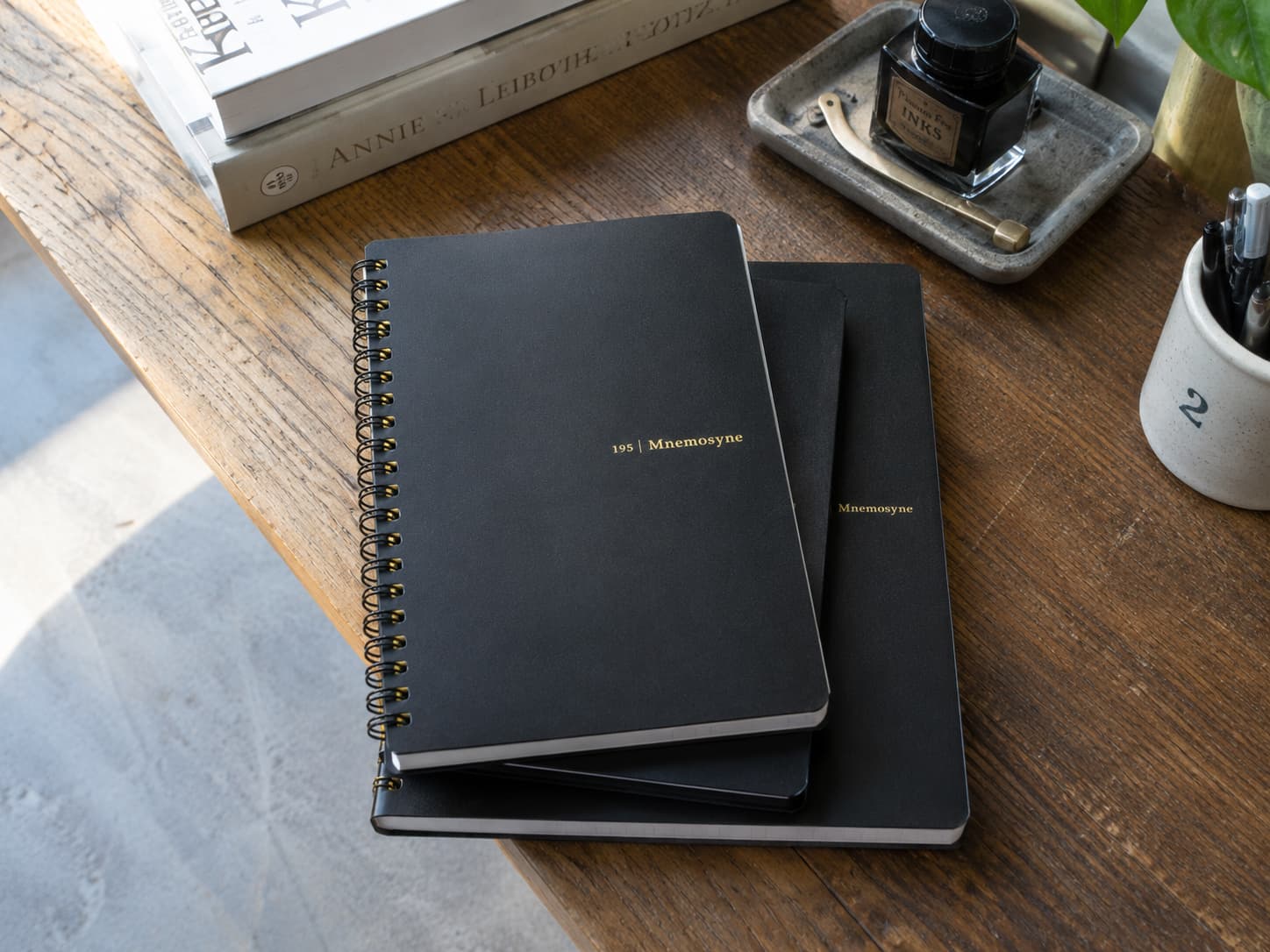
Mnemosyne notebooks from Maruman are another excellent option for structured writing. They have a unique lay-flat binding and micro-perforated pages that tear out cleanly. The paper is bright white and very smooth, ideal for quick notes or longer writing sessions. I have used Mnemosyne for meeting notes and project journals. The only downside is that the covers are plastic and feel less premium.
Budget-Friendly and Accessible
Not everyone wants to spend twenty dollars on a notebook. Exceed journals, sold at Walmart, are a surprisingly good value. They have a sewn binding, an elastic closure, and paper that handles rollerball pens well. I picked one up on a whim and was impressed by the quality for the price. It is not as refined as a Leuchtturm1917, but it is a solid choice if you are on a budget or want to try a new format without commitment.
Dingbats uses recycled materials and a vegan leather cover. Their paper is thick and fountain pen friendly. The pages are cream colored and the ruling is generous. I have a Dingbats notebook that I use for brainstorming. It holds up well to heavy writing and occasional coffee spills. The brand also plants a tree for each notebook sold, which appeals to environmentally conscious writers.
Essentials Notebook is another budget option that punches above its weight. The paper is decent, the binding is stitched, and the price is low. I would not use it for fountain pens, but for ballpoint or gel pens it works fine. It is a practical choice for students or anyone who goes through notebooks quickly.
Luxury and Specialty Choices
If you want something that feels special, Smythson makes leather-bound journals with ultra-thin, lightweight paper. Their Featherweight paper is famous for being thin yet opaque. I have handled a Smythson notebook at a stationery shop and admired the craftsmanship, but the price is high. It is a treat for a milestone project or a gift.
Archer and Olive produces journals with thick, 100 gsm paper that can handle watercolor and heavy ink. Their covers are printed with artistic designs, and the books are beautifully constructed. If you like to mix writing with drawing or painting, this is a strong option. I know several writers who use Archer and Olive for illustrated journals and love the durability.
Peter Pauper Press makes small, affordable journals with decorative covers and acid-free paper. They are not as well known as some other brands, but I have found them reliable for everyday writing. The paper is smooth and the binding is sturdy. They are a good choice if you want something with a bit of personality without spending a lot.
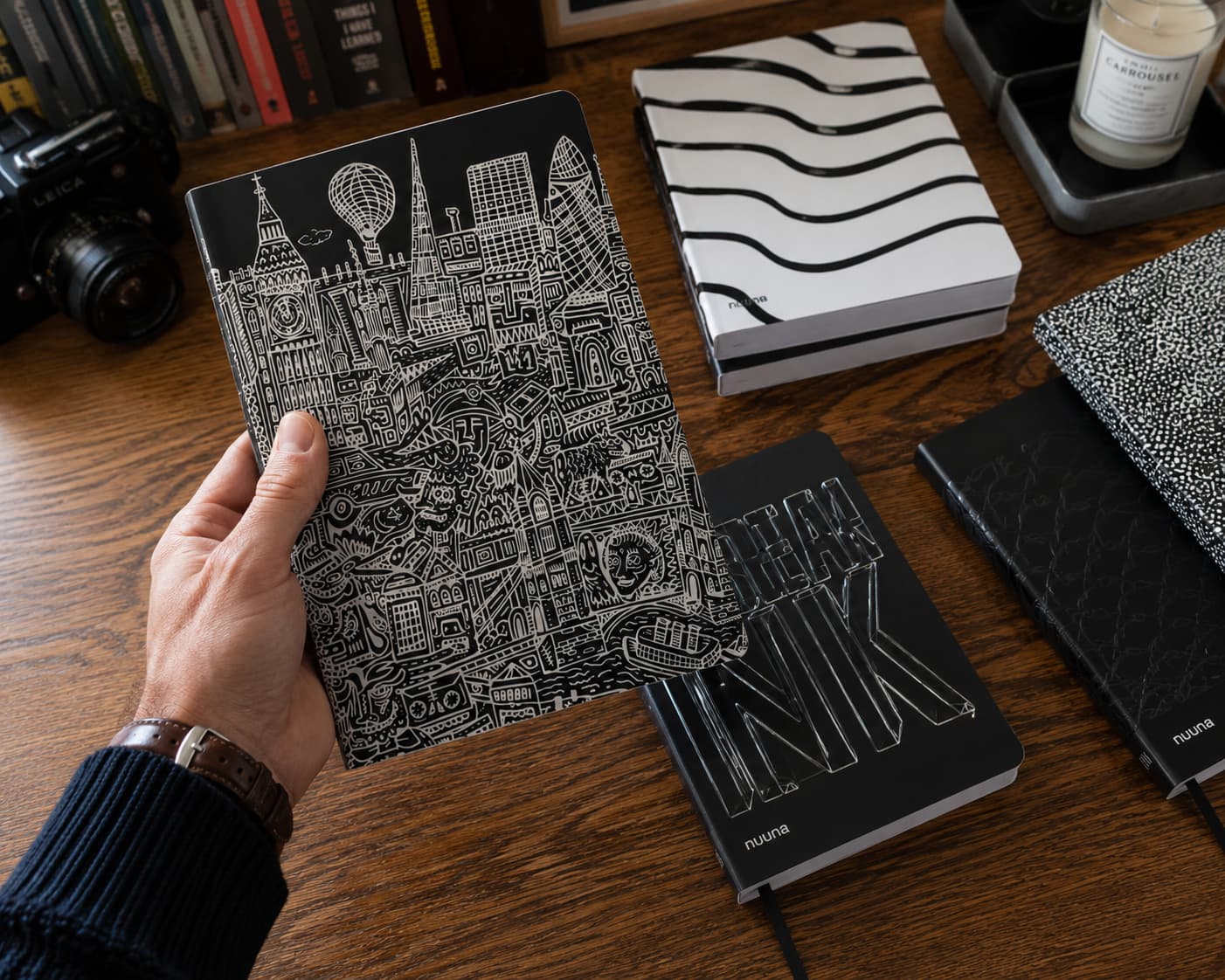
Nuuna notebooks have a distinctive look with modern cover designs and very white, thick paper. The paper is 120 gsm, so it handles any pen you throw at it. Nuuna uses a dot grid with a unique spacing that some people love and others find too busy. I have a Nuuna notebook that I use for drafting blog posts. The paper is a pleasure to write on, but the dot grid is not for everyone.
Minimalism Art offers simple, high-quality notebooks with a focus on clean design. Their paper is fountain pen friendly and the covers are understated. I have not used one myself, but several writing friends recommend them for journaling and note-taking.
Digital and Reusable Options
Rocketbook takes a different approach. It uses specially coated paper that you can wipe clean with a damp cloth and reuse. You write with a Pilot Frixion pen, and the ink disappears when heated. I have a Rocketbook for brainstorming and grocery lists. It is not ideal for long-term journaling because the pages are not permanent unless you scan them. But for iterative writing or quick notes, it is a clever solution.
For writers who want the feel of paper but the convenience of digital storage, Rocketbook also integrates with cloud services. You can scan pages with your phone and have them saved automatically. I find it useful for work notes that I might need to reference later. It is not a replacement for a traditional journal, but it fills a specific niche.
What I Have Learned About the Best Journals for Writing
After all these years and dozens of notebooks, I keep coming back to a few favorites. For daily journaling, I prefer a Leuchtturm1917 or a Midori MD Notebook. They are reliable, pleasant to write in, and the paper holds up. For travel, I use a Traveler's Notebook with a few inserts. For work notes, I reach for a Rhodia or a Mnemosyne. For planning, the Hobonichi Techo is hard to beat.
The best journals for writing are the ones that make you want to write. That sounds obvious, but it is true. A beautiful notebook can inspire you, but if the paper is wrong or the size is inconvenient, you will stop using it. I have abandoned expensive journals because the paper bled or the binding cracked. I have finished cheap ones because they felt right in my hand.
If you are new to the search, start with one mid-range option. Try a Leuchtturm1917 or a Rhodia. Write in it for a month. See what you like and what you do not. Then try something different. Over time, you will develop preferences. The best journals for writing are not the most expensive or the most popular. They are the ones that fit your hand, your pen, and your life.
A Final Note on Sustainable Choices
Many of these brands offer recycled or ethically sourced options. Dingbats and Minimalism Art emphasize sustainability. Leuchtturm1917 has a line of eco-friendly notebooks. If that matters to you, it is worth checking. A journal that lasts and that you actually use is more sustainable than buying a cheap one that falls apart.
Writing by hand is a slow, deliberate act. The right journal can make it more enjoyable. The wrong one can be a distraction. But the best advice I can give is to stop searching and start writing. Pick one, fill it up, and see how it feels. That is the only real test.